Google Enters AI Health Wearable Race with Screenless Fitbit Air
On May 7th, Google unveiled its new ultra-lightweight wearable device called Fitbit Air, priced at $99.99. This launch marks the company’s serious push into AI-driven healthcare platforms through a reimagined health tracking approach.
Design Philosophy: Less is More
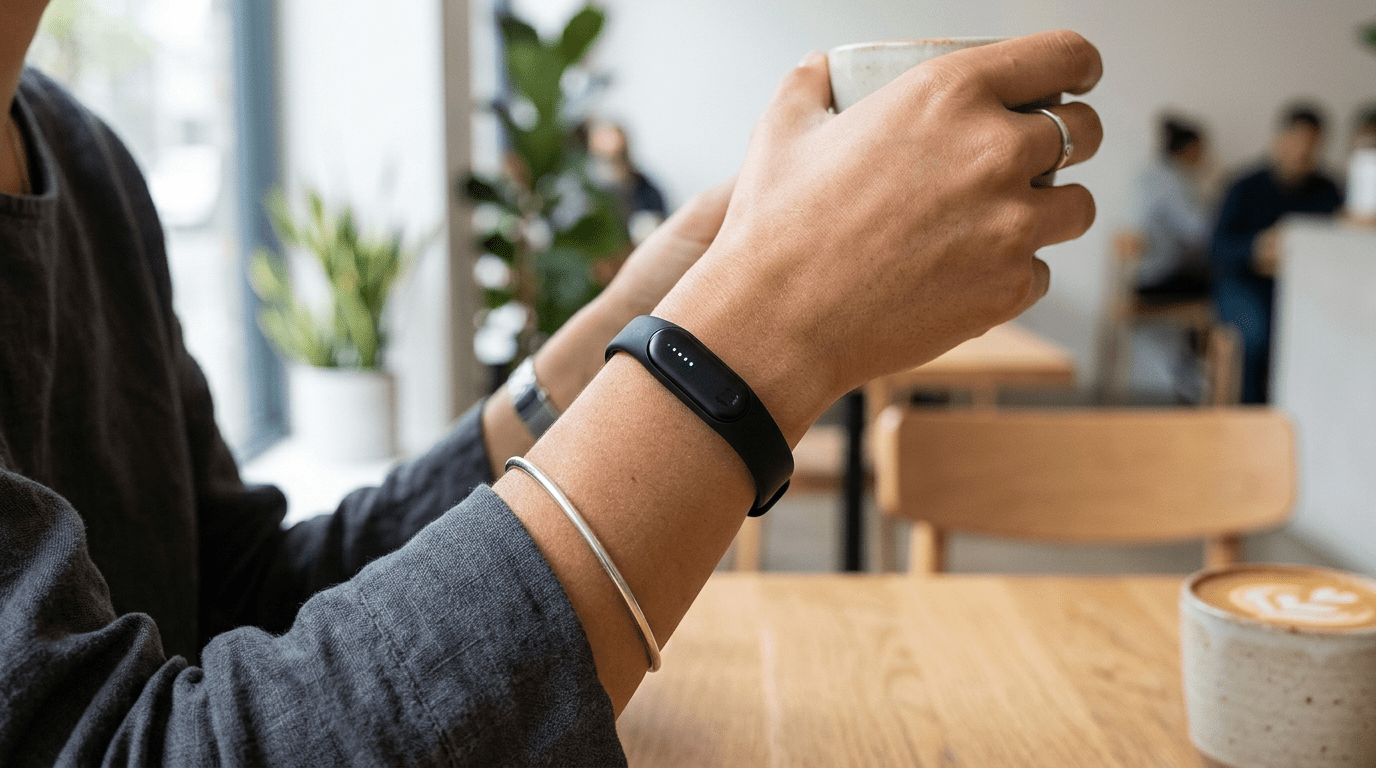
The device stands out with its completely screenless design, targeting users who find traditional smartwatches too bulky, complicated, and expensive. Google explained that Fitbit Air focuses purely on health data collection and AI-powered analysis rather than notifications and app functionality.
This represents Fitbit’s smallest tracker ever—25% smaller than Fitbit Luxe and 50% smaller than Fitbit Inspire 3. Including the band, it weighs just 12 grams, making it comfortable for 24/7 wear.
Advanced Health Tracking in Minimal Package
Despite its tiny size, the device packs comprehensive health monitoring capabilities:
- Continuous heart rate monitoring
- Atrial fibrillation alerts
- Blood oxygen saturation (SpO2) tracking
- Resting heart rate measurement
- Heart rate variability analysis
- Sleep stage detection and duration tracking
Without any buttons or screen, the device communicates through small LED lights and haptic vibrations. All collected data appears in Google’s new Google Health app on smartphones. The device offers up to one week of battery life per charge, with a quick 5-minute charge providing a full day of use. It’s also water-resistant up to 50 meters.
Google Health Platform: Unified Ecosystem
Google completely redesigned the Fitbit app into Google Health, which now integrates data from wearables, Health Connect, Apple Health, and medical records into one unified platform.
The app features four main sections: Today, Fitness, Sleep, and Health. Users can log workouts, meals, and menstrual cycles, with future updates planned to enable secure health data sharing with family, friends, and healthcare providers.
AI Coach: Personal Health Assistant
The centerpiece of Google’s strategy is Google Health Coach, powered by Gemini AI. This service combines the roles of fitness trainer, sleep advisor, and health consultant.
The AI coach creates personalized workout routines based on your goals and available equipment, analyzes sleep patterns, and even evaluates nutritional content when you upload meal photos.
Rishi Chandra, Google’s head of wearables and health, noted that professional athletes benefit from teams of nutritionists, sleep coaches, and trainers—Health Coach aims to democratize this support for everyday users.
This feature requires a $9.99/month Google Health Premium subscription, which replaces the former Fitbit Premium. The service is included free with Google AI Pro and Ultra plans.
Cross-Platform Compatibility and Market Position
Fitbit Air works with both Android and iOS devices. Users can pair it with Pixel Watch 4 for a dual approach: wearing the smartwatch during the day and switching to the lighter Fitbit Air for overnight sleep tracking.
Google is expanding band options, including a special edition co-designed with NBA star Stephen Curry.
According to IDC data, Fitbit currently holds about 6% of the global wrist-worn wearable market in 2025. Chinese manufacturer Xiaomi dominates with roughly half the market share, followed by Huawei and Samsung.
As Apple and Samsung continue strengthening their health wearable offerings, Google is differentiating through its AI-centered integrated health platform strategy, hoping to regain momentum in the competitive wearable space.